

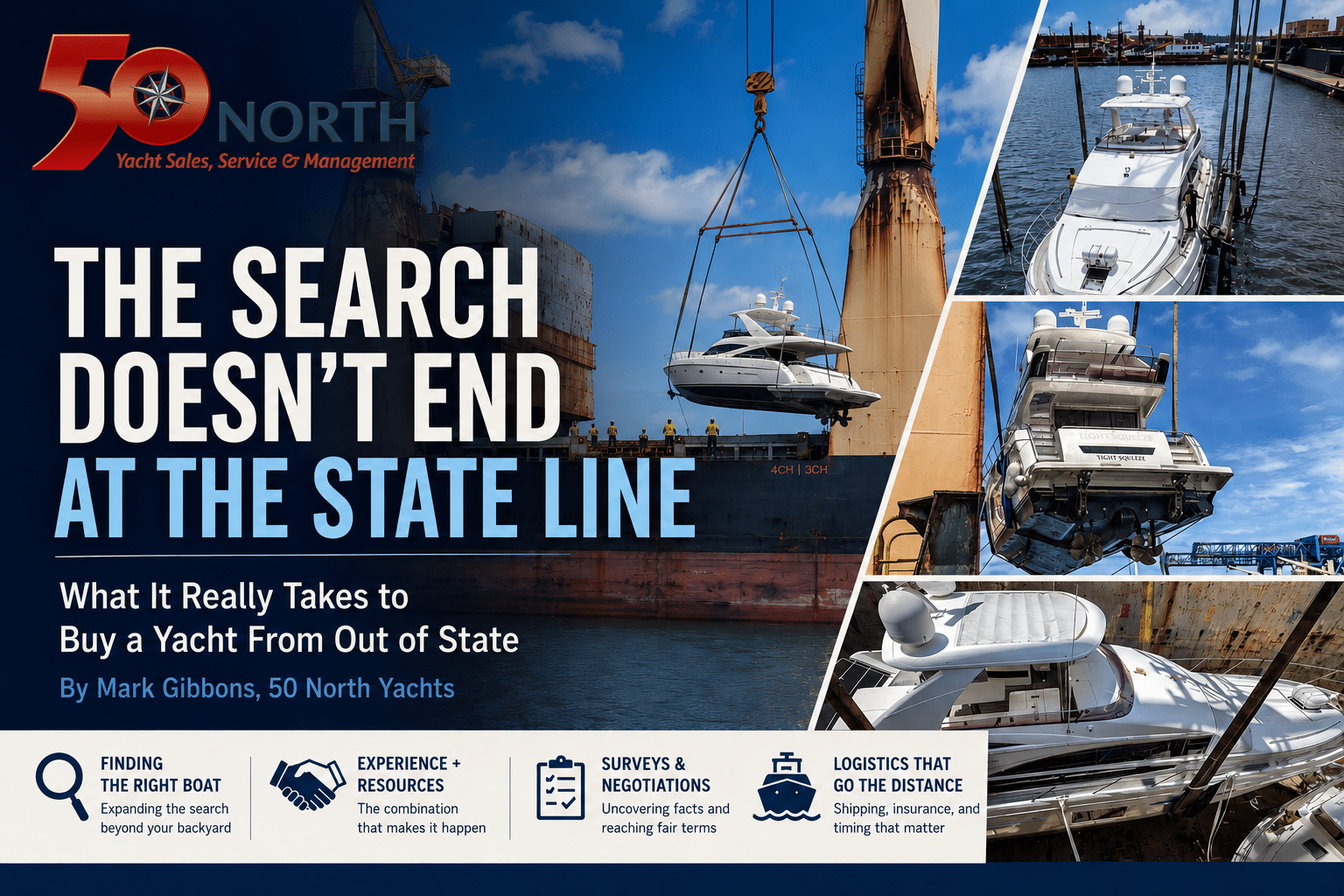
The Search Doesn’t End at the State Line
What It Really Takes to Buy a Yacht From Out of State
By Mark Gibbons, 50 North Yachts
A few months ago, a mutual friend referred a client to me. He’s an experienced boater, had owned two yachts previously, and was ready for something larger this time around with a clear budget in mind.
We spent real time searching the California market. We talked through every realistic option here at home. Nothing fit. Not because the California market is thin, but because his combination of size, layout, condition, and price simply wasn’t sitting at our docks at that moment. So we widened the net, and the right candidates started showing up in Florida and even one in British Columbia.
That’s a moment that comes up often in this business. The right yacht for you might not be in your backyard. When that happens, what matters is who you have helping you navigate it.
Experience and Resources Are Different Things, and You Need Both
After enough years doing this, I’ve come to believe that no broker on earth has direct hands-on experience with every situation, every region, every logistical wrinkle. The honest truth is that nobody does. What separates a smooth out-of-state transaction from a painful one isn’t omniscience. It’s two things working together.
Experience tells you what each region of the country (and the world) brings to the table, where the strong markets are, where to be cautious, what kinds of issues tend to surface in different climates, what questions to ask before you fly anywhere.
Resources are the people you’ve built relationships with over the years: project managers in other regions, shipping brokers, customs agents, surveyors, captains, yard operators. These are the people who get things done on the ground in places you can’t be every day.
When you have both, an out-of-state purchase becomes manageable. When you’re missing either one, it becomes a series of unwelcome surprises.
The Boat in Fort Lauderdale
We settled on a beautiful 64-foot yacht in Fort Lauderdale. My client knew exactly what he wanted, what he could accept, and what was a non-starter. He joked a few times about being “difficult.” Nothing could have been further from the truth. A client who communicates clearly is the best kind to work with.
Before booking any flights, we negotiated terms and reached a deal in principle on price. This is how we approach out-of-state transactions whenever possible. A 3,000-mile trip is a real investment, and having the deal worked out in advance also lets us schedule the buyer’s personal inspection and the formal surveys on the same trip.
We flew out together. He and his wife loved the yacht in person, even though there were a few items that hadn’t been disclosed before we arrived (a topic better suited to another post). We hired an excellent general marine surveyor and a separate engine surveyor.
Quick side note on the engine survey: in South Florida, the volume of yacht transactions has created a layer of specialists who only do engine inspections, fully separate from companies that sell and repair engines. In California, most of our mechanical inspectors also run service operations. Both models can work well, and I trust many of the professionals here who do both. But the Florida structure does avoid even the appearance of an inspector having an incentive to find work for themselves. It’s an interesting contrast worth thinking about.
When the Survey Findings Came In
The surveys turned up several items we hadn’t anticipated. This is where the next significant logistical challenge of buying from out of state shows up: how do you put a reasonable number on a survey allowance when you’re 3,000 miles from the boat and don’t have your local trusted vendors to call for quotes?
This is where resources matter. 50 North has a project manager based in South Florida. He coordinated quotes from his network of local trades so we had real numbers to work from. I spent the next several days going line by line with my client, working through which items each party felt should be addressed and which were customary on a pre-owned yacht of that age and use.
The seller is never obligated to provide a survey allowance, and the buyer is never obligated to proceed. Every negotiation at this stage is a careful balance. We worked through it patiently and reached a meaningful allowance that both sides were comfortable with.
Closing, and Then the Real Logistics Begin 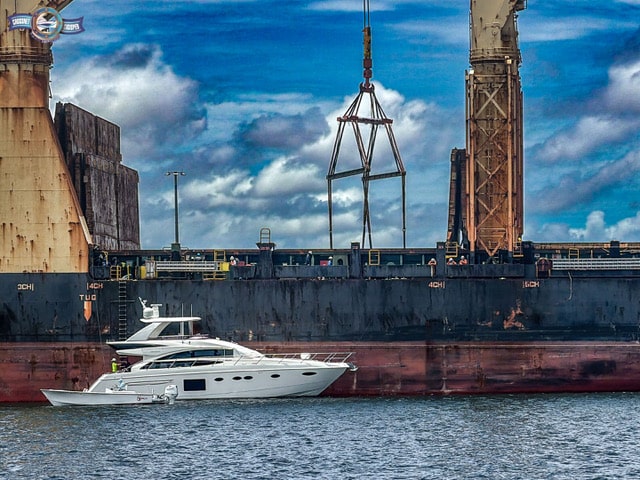
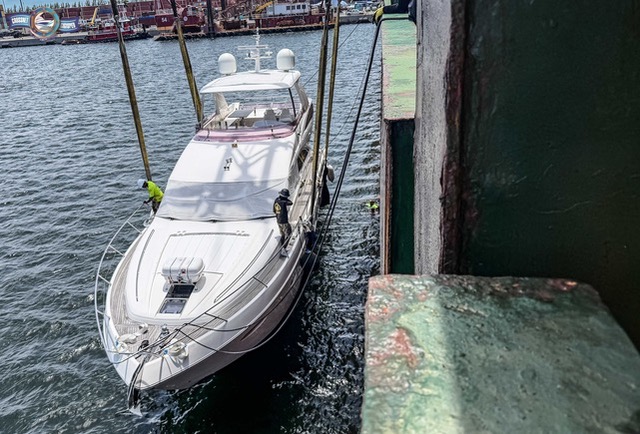
Closing the transaction was just the beginning. The boat was in a yacht club that required immediate departure post-closing. Our Florida project manager, who also happens to be a licensed captain, coordinated with the former owner’s captain to move the boat. I had already secured a temporary slip while we waited for space on the next ship out of Port Everglades to Ensenada.
Then hurricane season created a problem.
Why the Insurance Calendar Drives So Much of This
We started the transaction in April and closed in mid-May. Right around closing, the new owner’s insurance carrier told him the boat would not remain insured in Florida waters after June 1st. Hurricane season starts June 1, and many marine insurance carriers either won’t write coverage or sharply restrict it for vessels remaining in Florida between then and the end of November.
This is something California buyers often don’t realize until they’re in the middle of it. We’re fortunate here. California’s risk profile is fundamentally different, and our insurance environment reflects that. But if you’re buying a boat in Florida, the Gulf Coast, or much of the Caribbean, the calendar matters enormously.
Our shipping broker stepped in and arranged supplemental coverage with the transport carrier to bridge the gap while we waited for the ship. A real relief for the new owner, and a reminder of why building relationships with shipping and insurance professionals across regions pays off when you actually need them.
The Ship, the Schedule, and the Backup Plan
Our scheduled ship was overbooked and we got bumped to the following sailing, which didn’t leave until the second week of June. That’s the kind of thing that derails an unprepared buyer. We had already built contingency time into the plan because shipping schedules slip routinely. While the boat waited, our project manager coordinated several pieces of work, all monitored closely on the ground.
Why Ensenada, Not California
This is one of the most common questions I get from out-of-state buyers: why are we shipping to Mexico if the boat is going to live in California?
The short answer is the Jones Act, an old piece of U.S. maritime law that effectively prevents foreign-flagged transport ships from carrying cargo between U.S. ports. The yachts arrive in Ensenada and are then either delivered by water or hauled to their California destination. (A fuller explanation is worth its own post.)
 Bringing a Yacht Into Mexico
This is another area where resources matter. Every time we bring a boat into Mexico, the process changes slightly. Paperwork requirements evolve, port procedures adjust, transportation logistics shift. Having reliable contacts down there is critical.
We engaged a specialist to secure a Mexican Temporary Importation Permit (TIP, sometimes referred to as MTIP). Our partners handle everything from the paperwork to ground transportation in and out of Mexico, at very reasonable cost.
While we had the boat down there, we decided to take advantage of the opportunity. I’ve worked with the major yard in Ensenada for years. Excellent people, competitive rates, and a quality of work that holds up. The yacht is going straight from the ship to the yard for bottom paint and several other items the new owner wanted addressed before bringing her home.
The ship arrives July 2nd. My client, our mutual friend, and I are heading down in a few days to receive the boat and walk it to the yard. The owner can’t wait.
What This Process Actually Tells You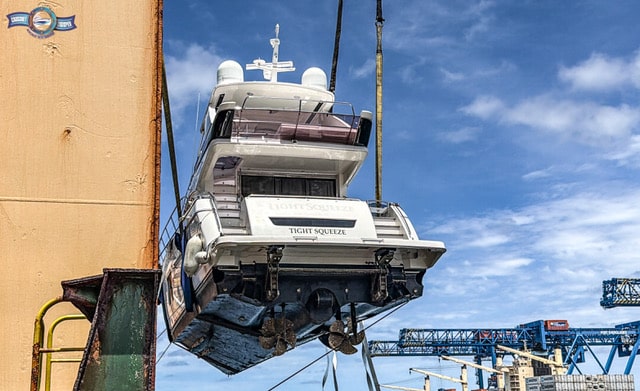
A transaction like this involves a dozen moving parts that most buyers never see. The boat search itself is the visible piece. The invisible pieces are what determine whether the deal closes smoothly and whether you end up with a yacht you love or a series of problems you didn’t sign up for.
The right surveyors, on both sides of the country. A project manager in the region where the boat is. A shipping broker who knows which ships sail when and how to bridge insurance gaps. An import specialist in Mexico. A trusted yard. A network of people who can answer the phone when something unexpected happens.
When you’re buying out of state, you’re not just buying a boat. You’re buying access to a network. That’s what a good broker is really selling.
Part II Is Coming
The story isn’t finished. Once the yard work in Ensenada wraps up and the yacht makes her final journey to her new home in California, we’ll publish Part II. That post will cover the work completed in Mexico, the final leg up the coast, and what it took to get her safely to her California slip. Stay tuned.
Coming Soon: A Yacht to Belize
This wasn’t the only out-of-state transaction we’ve worked through recently. We also sourced a yacht out of Pensacola, Florida. The work scope was significant, the logistics complex, and the broker on our team (who happens to be an experienced international captain) delivered the boat himself, with the owner aboard, all the way from Pensacola to Belize. That story deserves its own post, and it’s coming.
If You’re Thinking About a Boat From Out of State
The California market is excellent, and most of the time the right boat is right here. When it isn’t, you have options. The most important thing you can do is work with a broker who has both the experience to know what each region brings and the resources to handle what comes up.
That’s the work. It’s challenging, it’s never quite the same twice, and it’s one of the most rewarding parts of what I do.
If you have questions about an out-of-state purchase, or want to talk through a search that may need to go beyond California, give me a call. We’d love to help.
Mark Gibbons
President and Owner, 50 North Yachts
50 North Yachts · San Diego, CA · mgibbons@50northyachts.com · (619) 997-9491